
"commercial café location"
200 article(s) found

What is the best coffee in Venezuela? How do you make Venezuelan caf é guayoyo coffee?
More information about coffee beans Please follow the Coffee Workshop (official Wechat account cafe_style) although Venezuela introduced coffee trees from Martinique in 1730, but at the height of the oil industry, coffee production was almost abandoned. Fortunately, coffee cultivation has begun to recover recently, and the original Typica and Borubon coffee plantations are coffee.

"I like to find those inconspicuous corners of the city center and give it something new."
Fan Chengjun from Wenzhou likes to collect old houses. In the first few years of coming to Shanghai in 2001, what he did was the business of buying and renovating old houses and then subletting them. most of these old houses with low prices and high rents were in the original French concessions such as Changshu Road and Anfu Road. In 2007, he found that the operating space of the house was getting smaller and smaller, so he set his sights on larger workers.
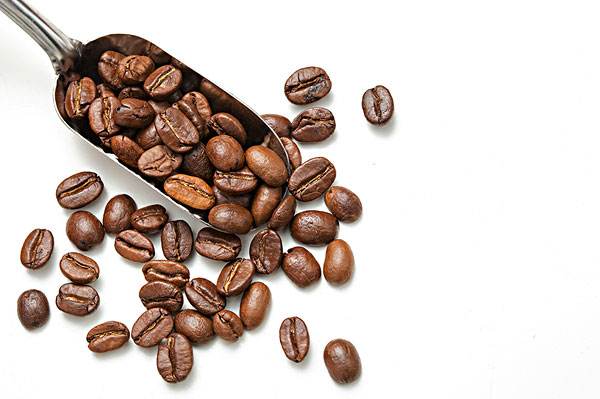
An introduction to the flavor of Bolivian coffee beans in South America
Following caf é (Wechat official account vdailycom) found that Beautiful Caf é opened a small shop rich in coffee beans in South America, and Bolivia is no exception. The unique rainforest environment in some parts of Bolivia provides excellent natural conditions for the growth of organic coffee. The aroma of Bolivian coffee is rich and unique, whether it is the aroma of ground beans or made.

If the cafe is located right, it is the best marketing.
Cafes in China often give people the impression of only three forms: first, large international chain groups with hundreds or even thousands of stores in China, such as Starbucks and Costa;, Korean-style cafes that like to play star cards and attach importance to food, designed to provide leisure space for urban residents; third, independent cafes focused on small and beautiful, or heavy coffee quality, or heavy space design. Chinese mainland
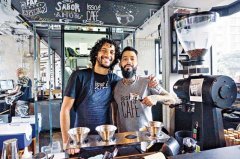
Sao Paulo, the coffee capital of Brazil, explores the origin of Brazilian coffee beans in the caf é series of Sao Paulo, Brazil
Professional coffee knowledge exchange more coffee bean information please follow the coffee workshop (Wechat official account cafe_style) Brazil is the world's largest producer of coffee beans, in recent years in the boutique coffee market, more loved by coffee cup testers, which proves the high quality of its coffee beans. On this trip to the local city of Sao Paulo, I was lucky enough to find several boutique coffee shops.

Why can't cafes in office buildings compete with Starbucks?
Lou Cafe, a cafe in the office building. Starbucks has a coffee-like form in the Empire State Building in New York and the Lenovo Building in Beijing. However, the local caf é, which entered this space earlier than Starbucks, presents another diametrically opposite group image: they are literary and artistic, docile, have no commercial intentions, and most of them struggle on the line of survival. Local cafe VS Starbucks House Cafe

Introduction of Columbia Snow Mountain Coffee Bean with characteristic Flavor, Taste, Grinding and Calibration method
Colombia Snow Mountain Coffee Bean characteristics, Flavor, Grinding and Calibration Variety introduction Colombia used to be dominated by commercial beans. In 1990-2000, fine beans accounted for only 5% of the national coffee production. After the millennium, FNC explored the business opportunities and potential of fine coffee and strongly instructed coffee farmers to switch to the more profitable boutique coffee bean planting industry. At present, the boutique coffee certified by FNC has occupied a high proportion of the whole.

Why did we lose so badly in front of Starbucks when we were both office cafes?
Lou Cafe, a cafe in the office building. According to Ka sir, Starbucks has a coffee-like form in both the Empire State Building in New York and the Lenovo Building in Beijing. However, the local caf é, which entered this space earlier than Starbucks, presents another diametrically opposite group image: they are literary and artistic, docile, have no commercial intentions, and most of them struggle on the line of survival. Local building

Basic information on Brazilian coffee beans
Following Cafe Review (official Wechat account vdailycom) found that the Brazilian coffee that Beautiful Cafe opened a small shop of its own did not drink much Brazilian coffee, such as Santos Santos, who has become a commercial mixed bean, and the slightly more advanced Cadora Cerrado in the Midwest of Minas Province, all of which left me with an impression that they are relatively light and not supple enough. Until I drank the C from Xiabanzhuang Park in Minas Carmo.
Costa Rican coffee varieties Kadura, Kaduai
Full-bodied particles, ideal acidity, unique and intense aroma. Tarrazu, Costa Rica, is one of the world's leading coffee producers, producing coffee with a light, pure flavor and pleasant aroma. Costa Rica's volcanic soils are fertile and well drained, making it the first country in Central America to grow coffee and bananas for commercial value. Coffee and bananas are the country's staple foods.

Costa Rican boutique coffee brief introduction to Costa Rica
Costa Rican coffee has full grains, ideal acidity and unique strong aroma. Tarrazu of Costa Rica is one of the major coffee producing areas in the world. Costa Rica, with its fertile volcanic soil and good drainage, is the first country in Central America to grow coffee and bananas for commercial value. Coffee and bananas

Costa Rican Coffee Origins Costa Rican Coffee Practices
Full-bodied particles, ideal acidity, unique and intense aroma. Tarrazu, Costa Rica, is one of the world's leading coffee producers, producing coffee with a light, pure flavor and pleasant aroma. Costa Rica's volcanic soils are fertile and well drained, making it the first country in Central America to grow coffee and bananas for commercial value. Coffee and bananas are the country's staple foods.
Costa Rican Coffee Origins Costa Rican Coffee Practices
Full-bodied particles, ideal acidity, unique and intense aroma. Tarrazu, Costa Rica, is one of the world's leading coffee producers, producing coffee with a light, pure flavor and pleasant aroma. Costa Rica's volcanic soils are fertile and well drained, making it the first country in Central America to grow coffee and bananas for commercial value. Coffee and bananas are the country's staple foods.
Costa Rican Coffee Origins Costa Rican Coffee Practices
Full-bodied particles, ideal acidity, unique and intense aroma. Tarrazu, Costa Rica, is one of the world's leading coffee producers, producing coffee with a light, pure flavor and pleasant aroma. Costa Rica's volcanic soils are fertile and well drained, making it the first country in Central America to grow coffee and bananas for commercial value. Coffee and bananas are the country's staple foods.
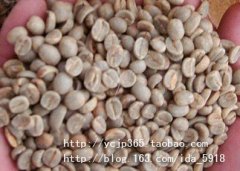
Starting with Coffee beans (2)-- America-Costa Rica
Tarrazu of Costa Rica is one of the major coffee producing areas in the world with full grains, ideal acidity and unique strong fragrance. The coffee produced is light and pure in flavor and pleasant in aroma. Costa Rica, with its fertile volcanic soil and good drainage, was the first country in Central America to grow coffee and bananas for commercial value. Coffee and bananas are the country's main exports
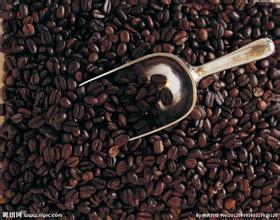
Boutique Coffee Costa Rica Coffee Estate Roman Processing Plant
Full-bodied particles, ideal acidity, unique and intense aroma. Tarrazu, Costa Rica, is one of the world's leading coffee producers, producing coffee with a light, pure flavor and pleasant aroma. Costa Rica's volcanic soils are fertile and well drained, making it the first country in Central America to grow coffee and bananas for commercial value. Coffee and bananas are the country's staple foods.
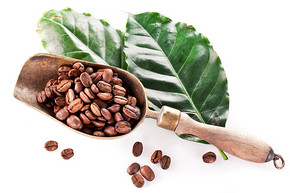
Introduction to the main coffee producing areas in Costa Rica
Following caf é (Wechat official account vdailycom) found that Beautiful Cafe opened its own shop in Costa Rica, which is located in Central America, facing the Caribbean Sea to the east, the North Pacific Ocean to the west, Nicaragua to the north and Panama to the south. It is a republic in Latin America, which has a natural ecological environment conducive to coffee growth, coupled with the strong support of the government to the coffee industry.

Enjoy a slow life with cats
There are countless large and small cafes on the streets of Sucheng, and there are also many cafes with cats as their themes. if you see stray cats, abandoned or picked up cats in the coffee shop and take them as the theme, then the name of this coffee shop should be Sanshun coffee nest or Xi Coffee, both of which are run by our protagonist Jiang Rong. The sequelae of a trip
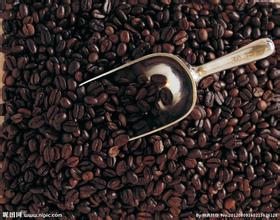
Boutique coffee Costa Rican coffee producing area Tarazhu
The particles are full, the acidity is ideal and the aroma is unique and strong. Tarrazu in Costa Rica is one of the major coffee producing areas in the world. The coffee produced is light and pure in flavor and pleasant in aroma. Costa Rica, with its fertile volcanic soil and good drainage, is the first country in Central America to grow coffee and bananas for commercial value. Coffee and bananas are the main food in the country.

Characteristics of Costa Rican coffee beans Costa Rican coffee bean flavor
Tarrazu in Costa Rica is one of the major coffee producing areas in the world. The coffee produced is light and pure in flavor and pleasant in aroma. Costa Rica, with its fertile volcanic soil and good drainage, is the first country in Central America to grow coffee and bananas for commercial value. Coffee and bananas are the country's main exports. In 1729, coffee was introduced from Cuba to Goth.